Tesla Semis Are on the Road
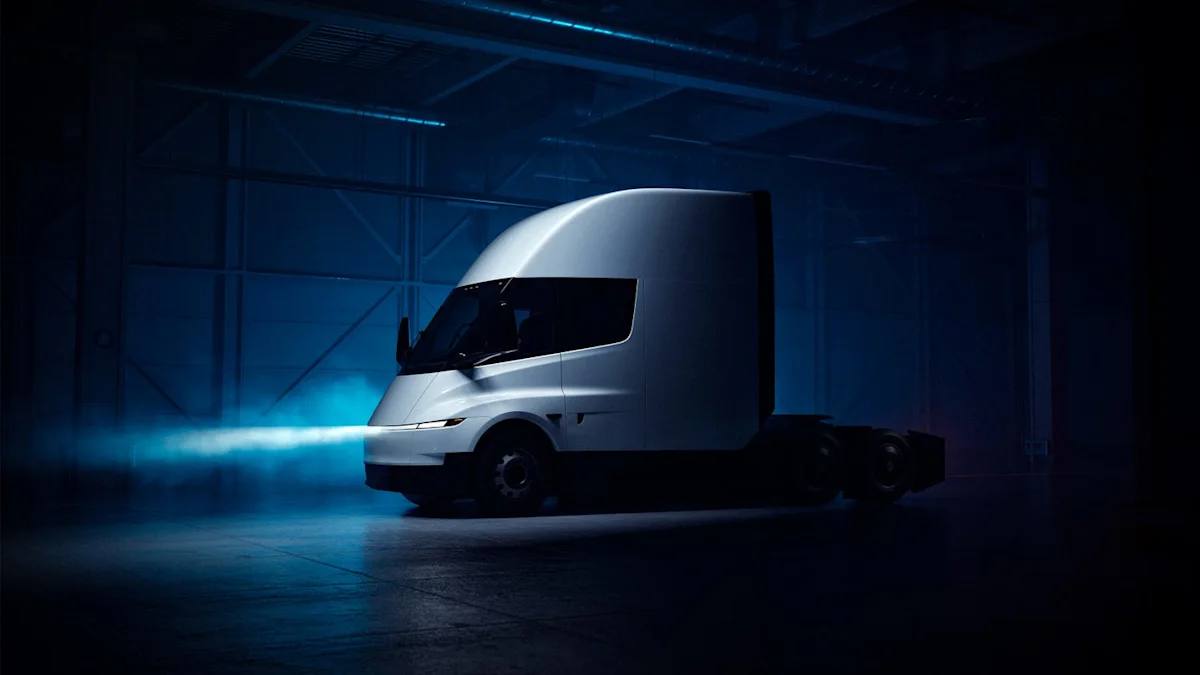

A truck earns its place in this industry by showing up, carrying the load, and being ready for the next trip. That is what makes the latest Tesla Semi news interesting. Beyond the unusual cab and electric powertrain, there is a practical question: how does it fit into an ordinary working day?
On September 24, Tesla held a Semi rollout event in Sparks, Nevada, announcing customer deliveries. Reuters reported that PepsiCo, DHL, and US Foods participated. Tesla repeated its ambition to build 50,000 trucks annually at the Nevada plant, but did not disclose pricing or a detailed production schedule at the event. That figure remains a goal, not an achieved output.
There is some history behind those headlines. In May 2024, PepsiCo announced plans to deploy 50 Tesla Semis at its Fresno facility. It also described existing Semi operations in Sacramento and at Frito-Lay’s Modesto location. Electric freight trucks were already doing work in California well before this month’s event.
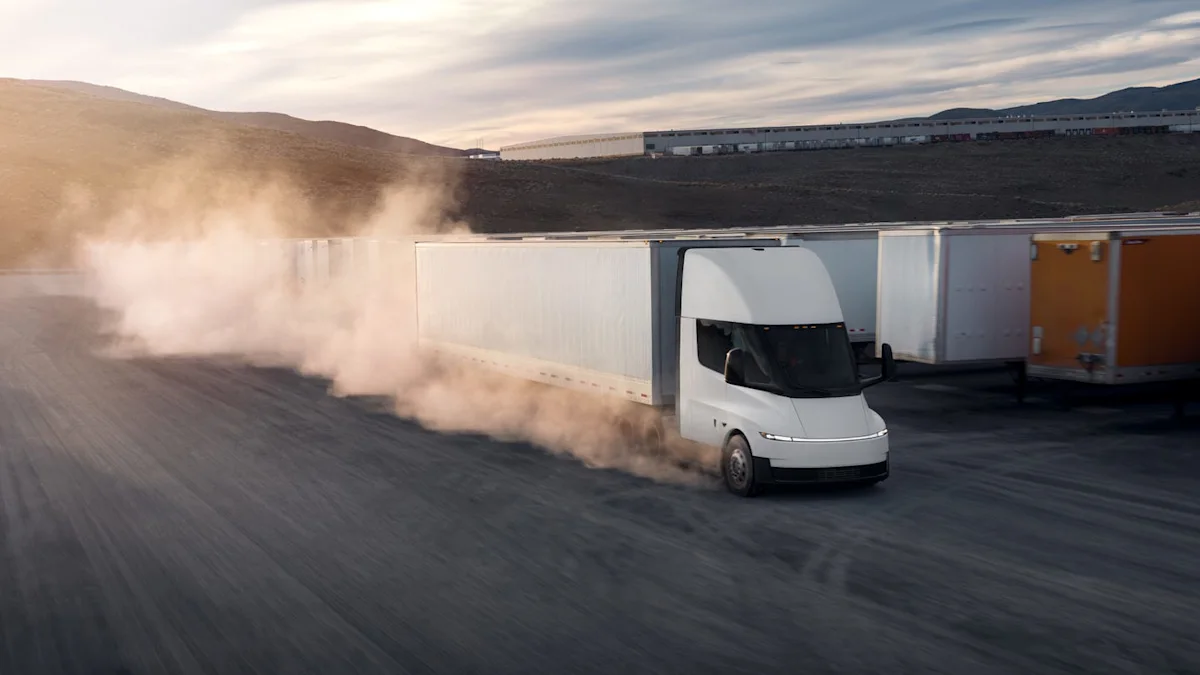
For someone planning freight movements, that opens a more useful conversation than simply asking whether an electric truck can travel a long distance. How much energy will this particular load require? Where will the driver recharge? Can the truck finish its work and be ready when the next shipment needs to leave?
The charging side deserves just as much attention as the vehicle. PepsiCo’s Fresno announcement included eight 750-kilowatt Tesla chargers and two Megapack battery storage systems installed at the facility. The company was investing in a place for the trucks to operate from, alongside the trucks themselves.
Our takeaway is that predictable routes offer a clearer starting point. A truck that returns to a known depot gives its operator more control over charging and scheduling. A constantly changing route, with different pickup locations and uncertain waiting times, asks more of the supporting infrastructure. That is an operational assessment, not a claim that electric trucks can only work locally.
The next phase could bring considerably more vehicles into service. In August, freight technology company Einride announced a planned deployment of 500 Tesla Semis. The important word is “planned”: the announcement should not be read as confirmation that all 500 are already on the road.
For customers shipping a car, these developments do not establish that their next pickup will arrive behind a Tesla Semi—or that their quote will suddenly become cheaper. The examples discussed here concern freight fleets. Applying electric tractors to vehicle transport would require a separate look at trailer compatibility, payload, route coverage, charging access, and operating costs.
At Enova Logix, the useful way to watch this story is through the details customers ultimately depend on: dependable pickup, clear communication, and delivery that follows the plan. A different powertrain still has to support those same expectations.